Museum de Fundatie
In this customer story, you'll read how Museum de Fundatie uses Oneteam to cut meetings in half, significantly reduce routine HR questions, and turn two locations into one close-knit team.
.png)
"Since we started using Oneteam, it’s much easier for the team to stay in the loop. We now have 50% less meetings, HR gets far fewer routine questions, and our tour guides deliver a better visitor experience and sell more."
- Arnold Palil, HR at Museum de Fundatie
About Museum de Fundatie
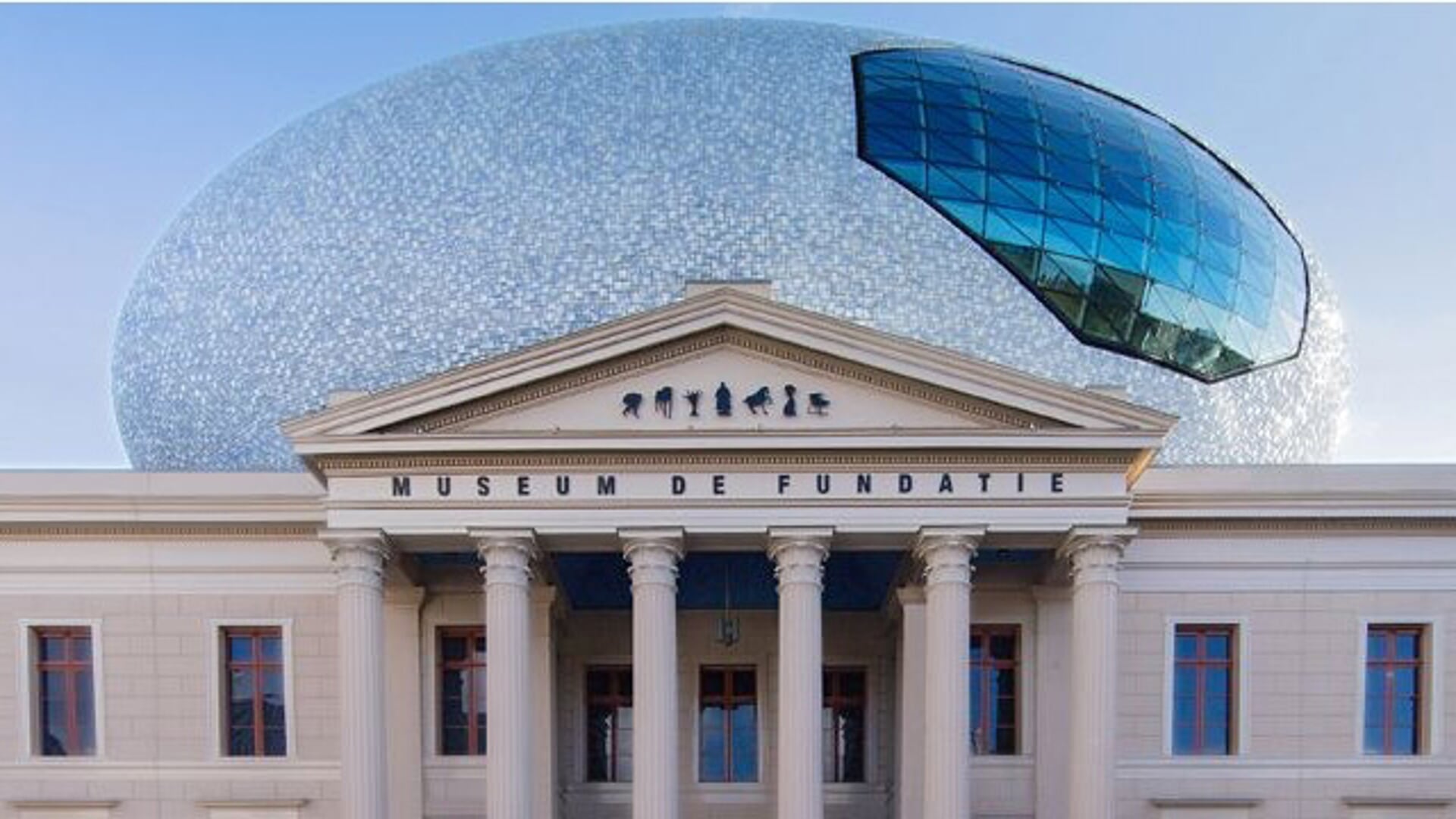
Museum de Fundatie is a museum for visual art with two locations: the museum in Zwolle and Kasteel het Nijenhuis in Heino. Around 66 people work there, alongside a group of external staff. Most of the team works on the floor, as visitor hosts, tour guides, or in the museum shop, alongside colleagues based in the office.
The team mostly consists of part-timers and on-call staff, ranging from students to people well into their sixties. Everyone works different days and hours, and the whole team is rarely, if ever, together at once. That's exactly what made internal communication a challenge for years.
The challenge
When Arnold joined Museum de Fundatie in 2022 to work in the HR team, there was a lot of room for improvement on the people side. Schedules ran through Excel and many processes still lived on paper. His arrival brought a wave of digitization, but one thing was still missing: a central place where information comes together and reaches everyone.
Communication ran through email and weekly on-site meetings, while on-call staff were often at school and part-timers worked different days. Anyone who missed a meeting received detailed minutes instead. But getting through six to eight pages of notes is something almost nobody actually does.
As a result, important information didn't always reach the team in time. Training sessions were sometimes organized without everyone knowing about them. "You'd end up with an expensive training session and only a handful of people in the room, while we have 66 employees," Arnold says.
There was also little natural connection between the two locations. "People used to talk about two locations: Zwolle or Heino. While really, it should be Zwolle and Heino," Arnold explains.
HR had room to improve too. Documents like the terms of employment were kept on a drive only Arnold and his manager could access. Practical questions about leave and contracts consistently ended up on his desk as a result.
The solution
Arnold knew the value of an intranet from his previous job at a bank. For the museum, though, it needed to be simpler and more intuitive. "It all had to be in plain, everyday language," he says.
Other tools he looked at mostly resembled a classic intranet. Oneteam felt different right away. "It had much more of a social media feel to it. We immediately thought: everyone will understand this," Arnold explains.
Specifically, Museum de Fundatie was looking for a solution that:
- reaches everyone, including employees without a business email address or a fixed workplace;
- guarantees that information actually gets through;
- works as both an app and a web version, and feels intuitive to everyone;
- makes documents and HR information accessible to the whole team;
- and lets colleagues message each other without sharing personal phone numbers.
That last point turned out to be a big advantage nobody had expected going in. "Colleagues can now message each other through Oneteam without exchanging phone numbers, which also works out well from a privacy standpoint," Arnold says.
The approach
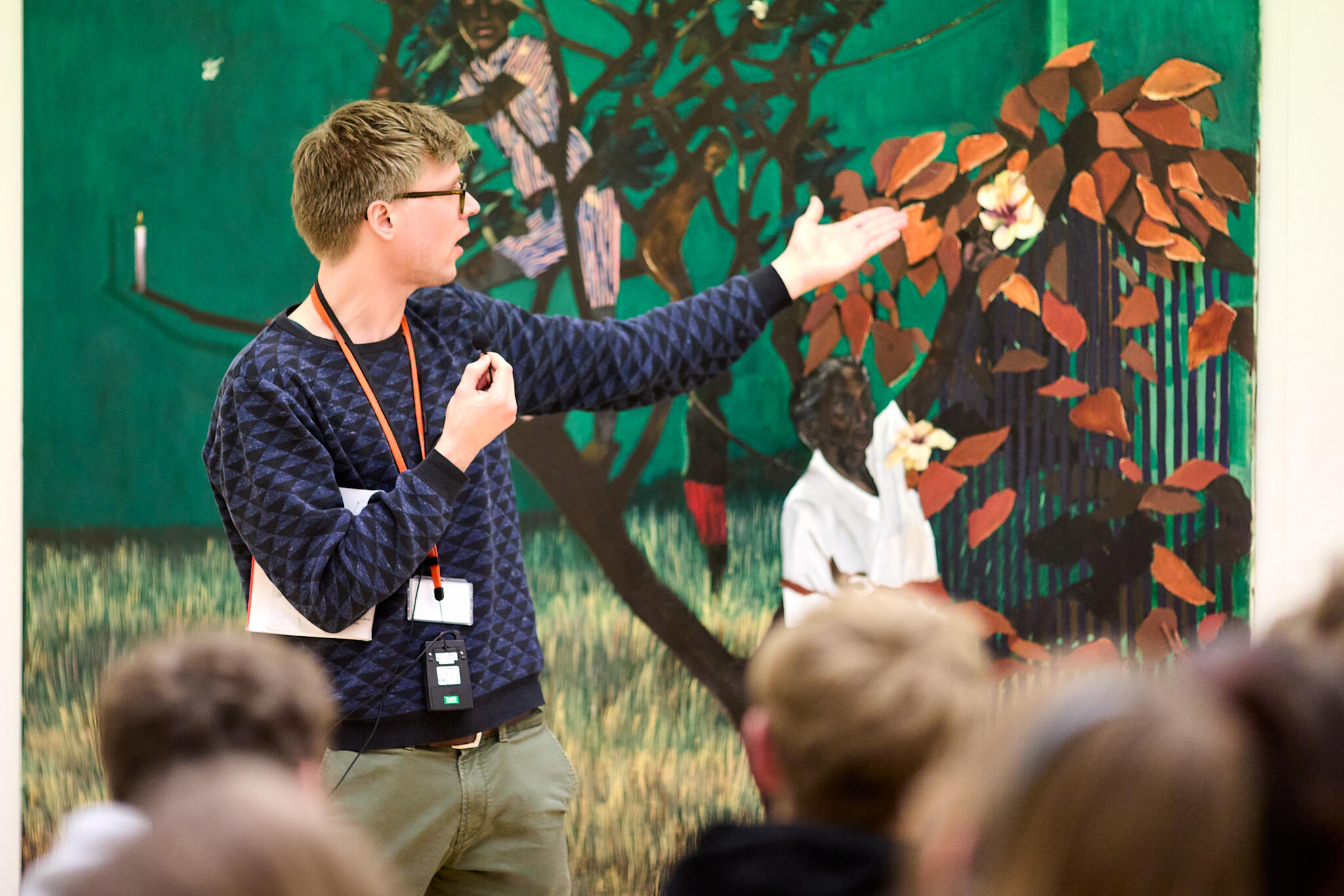
Museum de Fundatie kept the rollout deliberately low-key. Arnold gave a presentation during a staff meeting and showed live how the platform works and what it can do. Posters and flyers went up in the staff canteens, and shortly after, everyone received an invitation to create an account.
The setup then grew alongside the organization. Every team and role now has its own community, from visitor hosts and tour guides to the shop and ticket desk, where things like changes to the till system get shared.
There's also a general timeline for organization-wide updates, a casual space for anything not work-related, and a channel called Behind the Scenes at Collections, where the head of Collections shares interesting finds and facts.
Behind the scenes, all the systems are connected too. New employees Arnold enters into the payroll system Nmbrs automatically flow through to Oneteam via the scheduling tool L1NDA, and receive an invitation without anyone having to lift a finger. Thanks to the link with L1NDA, everyone can also see exactly who they're working with on a given shift, who's on holiday, and who's out sick.
The results
Oneteam has become a fixture within the museum. The impact shows up in several places: less time spent in meetings, fewer routine questions landing on HR's desk, and a team that sells more because it's better informed.
From eight pages of meeting notes to a single post
A training session, an exhibition being installed, a change in how the till works: one short post on the timeline and everyone's up to speed. Where an email left you hoping everyone would read it, there's now real certainty that the information reaches the whole team.
Practical updates used to hang on a flip chart in the canteen, but once someone turned the page, that information was gone. "Now the important post just stays right at the top of your timeline, which is so much easier," Arnold says.
That's changed the meeting structure considerably. The museum's team meeting went from weekly to every other week, and eventually to once a month. Office project meetings have been scaled back too.
"All in all, we meet about half as often," Arnold estimates. "We can plan our time much more effectively and efficiently now."
HR information employees can find themselves
Documents like the terms of employment and expense guidelines are now openly available in Oneteam. Employees can find the answers to most practical questions themselves, and can now approach a confidential advisor anonymously too.
That saves Arnold a lot of one-off questions about leave, contracts, and allowances. "Getting fewer questions means I can focus better on my own work," he says.
Tour guides who know more, share more, and sell more
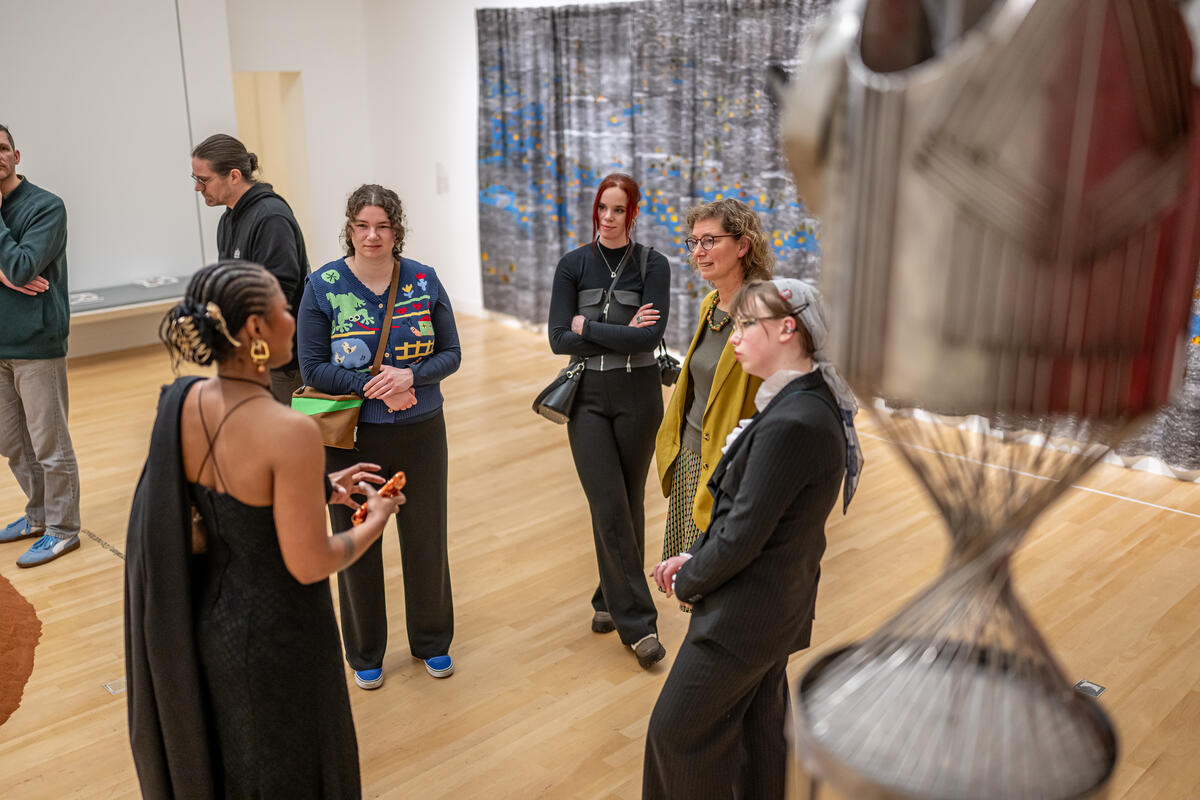
The better informed the team is, the better the visitor experience. Tour guides see in Oneteam which exhibitions and events are coming up, and actively use that to recommend an extra tour or a return visit to guests.
The behind-the-scenes facts from the Collections channel also add depth to a tour. "Guides can turn it into a genuinely engaging conversation now," Arnold says. "The more you know, the more you can tell people about the museum. And the more you can sell."
Two locations, one team
Where people used to talk about Zwolle or Heino, it's now Zwolle and Heino. Both locations see what's happening at the other and actively promote each other's activities, which raises the visibility of both. There's also more mutual understanding between the office and the floor, simply because both sides can now see what the other is doing.
That connection shows up in practical ways too. Where colleagues used to barely be able to reach each other without exchanging phone numbers, they now simply send a message through Oneteam, even between teams that barely know each other. Some colleagues who weren't used to working with computers even bought a smartphone just to be able to use Oneteam.
Giving the floor team a voice
Perhaps the most meaningful shift has happened with the team on the floor. As in many organizations, it was often the frontline staff who felt least heard. That's changed: everyone can post their own content now, and leadership actively responds to it.
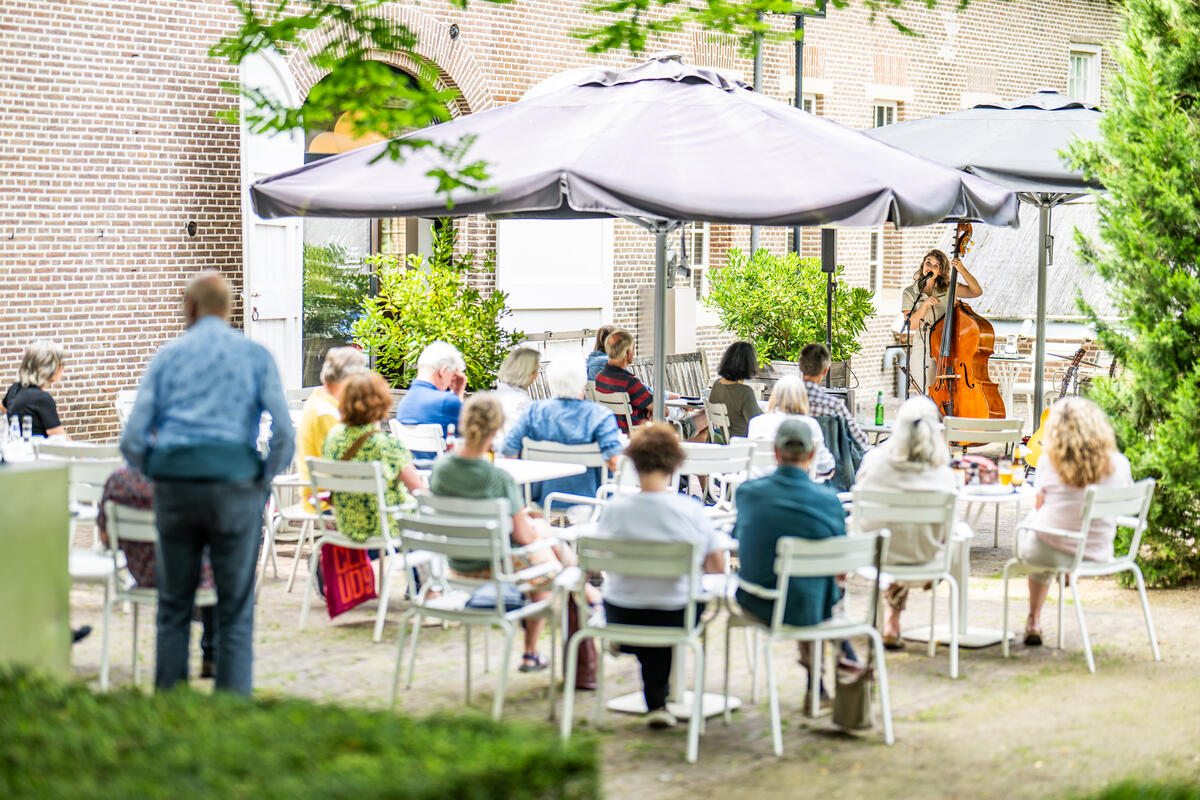
"They feel seen. It's genuinely become more equal," Arnold says. You can see that reflected in what gets shared too: after a concert in the castle garden, videos of it popped up on the timeline on their own, and in the casual space, colleagues regularly share their own paintings and other personal moments.
The distance to leadership has shrunk as well. Where a question used to travel through several layers of management before reaching leadership, people now simply send a direct message. "That gap that used to be there is completely gone now."
Arnold recently heard proof that it's working from a new employee, who told him she'd never experienced anything like it at a workplace before: how much gets shared within the organization, and how openly.
Conclusion
Ask Arnold to sum up Oneteam's biggest value, and he doesn't need long to answer. "Information. That might sound simple, but we now know from each other what we're doing and what's going on. Across both locations and every team."
And what does that deliver in practical terms? "Calm," he says. "People know what's happening, there are no more surprises. Our floor team enjoys their work more as a result and carries themselves with more confidence, simply because they know where they stand."
That sense of calm goes hand in hand with more openness. Floor staff sometimes actively weigh in on decisions made by leadership these days, and Arnold thinks that's a good thing. "They feel free to bring that kind of thing up, purely because we're open and transparent by sharing everything."
Arnold is quick to point out that this cultural shift didn't happen on its own. The museum worked hard to become one real team. But without a platform that made that possible, it never would have worked. "If Oneteam hadn't existed, we couldn't have done this."
For an organization where schedules were still kept in Excel just a few years ago, and information had to find its way through meeting minutes, that might be the biggest win of all: 66 employees, two locations, and one team that knows exactly what's going on.


In diesem Artikel
