
BCN
In this customer story, you'll read how BCN uses Oneteam to reach employees across six locations more effectively, make onboarding warmer and more consistent, and bring HR processes closer to the operational teams.
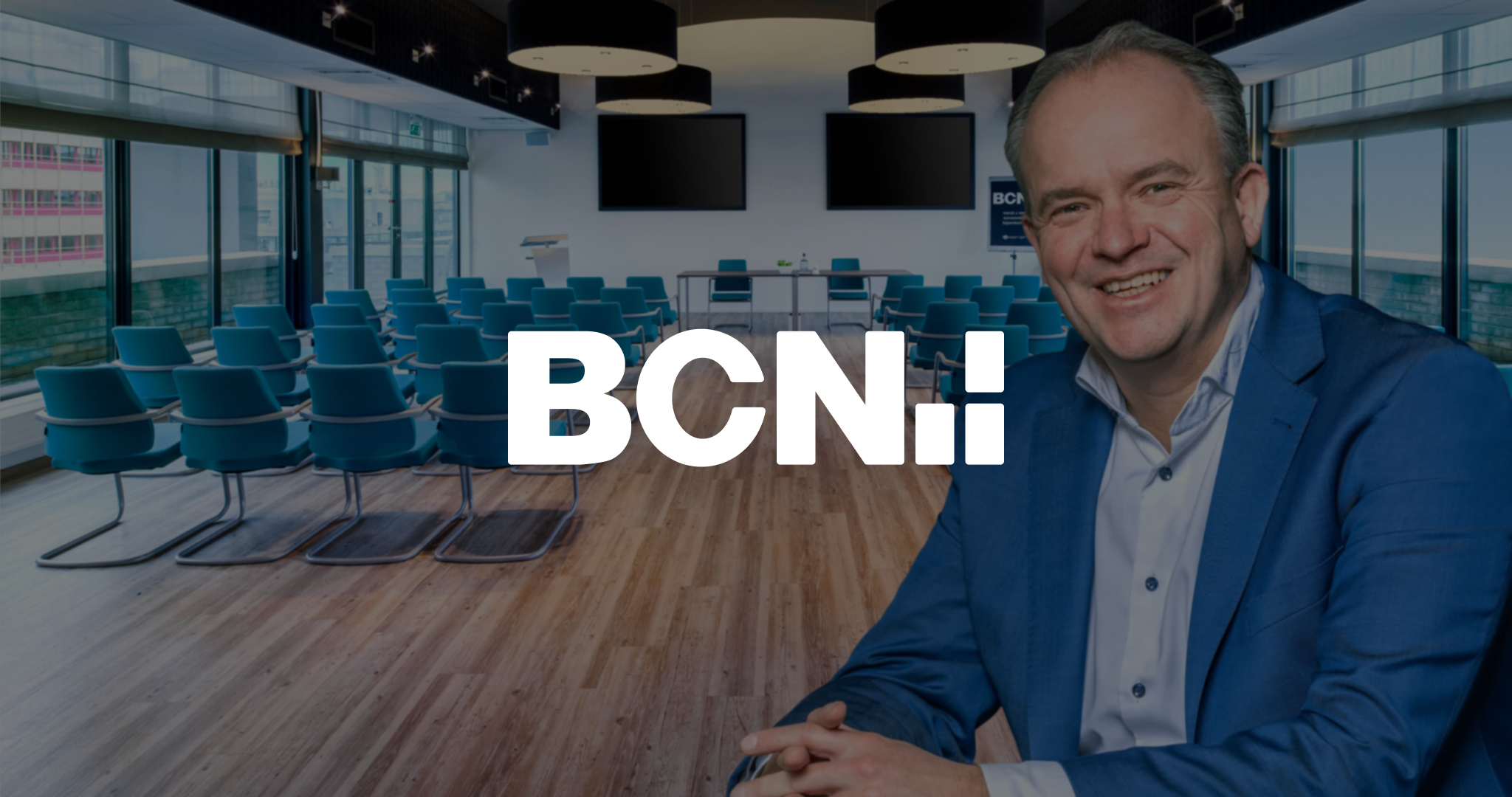
"Our HR processes used to be fragmented, and news didn't reach the majority of our people. Oneteam now brings communication, onboarding and development together in one place. That makes employees feel more connected to BCN, brings more clarity to the operation, and helps us build provide consistently great quality for our guests."
- Jerry Vroon, HR Manager bij BCN
About BCN
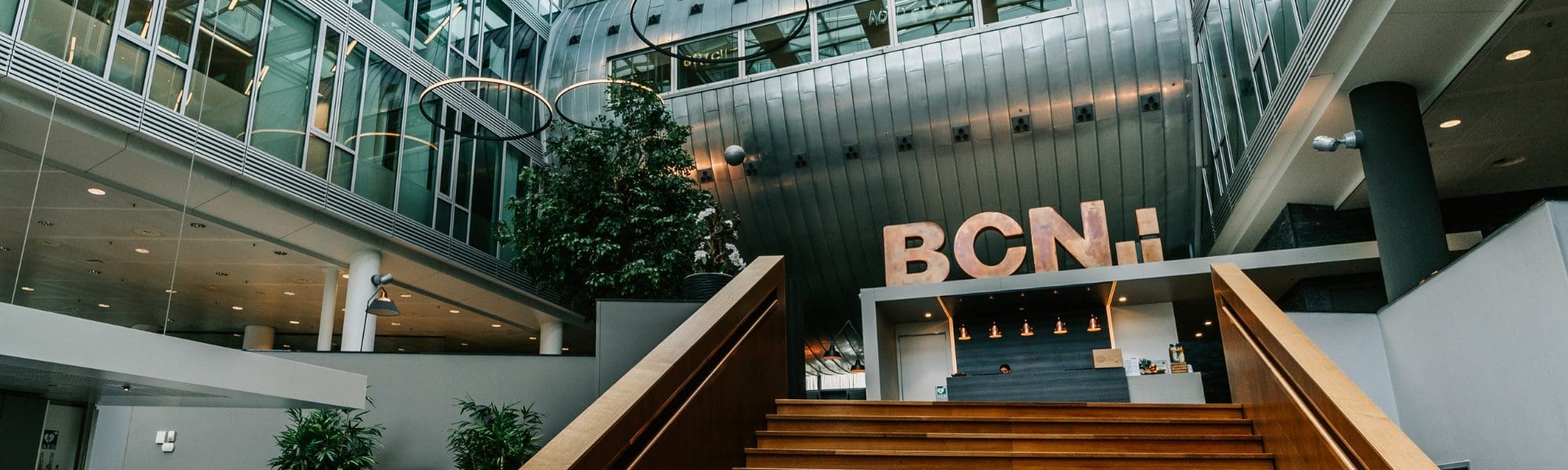
BCN has six training and education locations spread across the Netherlands, with 190 meeting rooms in total and around 150 employees. At these locations, BCN handles everything around trainings and courses: from reception and hospitality to room setup, lunch and break moments.
Each location has its own team and character, but works from one recognisable BCN concept. More than 75% of employees work on the floor, for example in the kitchen, at reception or in banqueting. It was precisely this group that BCN wanted to better involve in internal communication, onboarding and other HR processes.
The challenge
Before BCN started working with Oneteam, the organisation relied on systems set up for the wider Salta Group. For BCN, as the only hospitality organisation within the group, that didn't fit.
News was shared through SharePoint and AFAS-style environments, but more than half of employees didn't read it. "When you're on the floor all day, you don't just open an intranet," Jerry explains. "So news got missed, or it felt too far away."
On top of that came the spread across six locations. An employee in Zwolle had barely any contact with colleagues in Rotterdam or Amsterdam, while BCN wants people to feel connected to the whole organisation, not just to their own location.
"For a lot of employees, the operations manager is the face of BCN," Jerry explains. "But they also appreciate hearing something from the management team or the rest of the organisation."
Within HR, too, it became clear that the existing way of working no longer fit. Onboarding differed per location and depended largely on the manager.
"People were working with different forms and methods," Jerry says. "The intention was good, but there was no consistent way of working. And what you really want is for every new colleague to be brought on board in a structured and warm way."
Performance reviews barely connected to daily practice either: the old system revolved around general competencies that meant little to operational employees. "Sometimes it was so vague that even I didn't understand what was meant," he says.
And that's exactly where the heart of it lies. In roles like kitchen and banqueting, employees stay for only nine to ten months on average, while good onboarding and clear conversations are precisely what help to keep people longer.
"Every colleague leaving also meant starting the onboarding over again. That does something to the quality of your service, and to the pressure on colleagues who are already busy enough," Jerry says.
The solution
So Jerry set out to find a platform that better fit the way BCN works. He asked around in his network, spoke with various parties and ended up at Oneteam. "From the very first moment, Oneteam matched so seamlessly with what we were looking for," Jerry says. "Pretty quickly it felt like: this is the place to be."
Because BCN wasn't looking for a standalone communication channel, but for one place that brings everything together. A platform that works on mobile, is practical for employees on the floor, and at the same time helps HR organise processes better.
Specifically, BCN was looking for a solution that:
- makes internal communication accessible for employees without a fixed workplace;
- makes schedules, HR information and courses easier to find;
- makes onboarding warmer, more comprehensive and more consistent;
- makes performance reviews clear and practical;
- and helps to engage, develop and retain employees better.
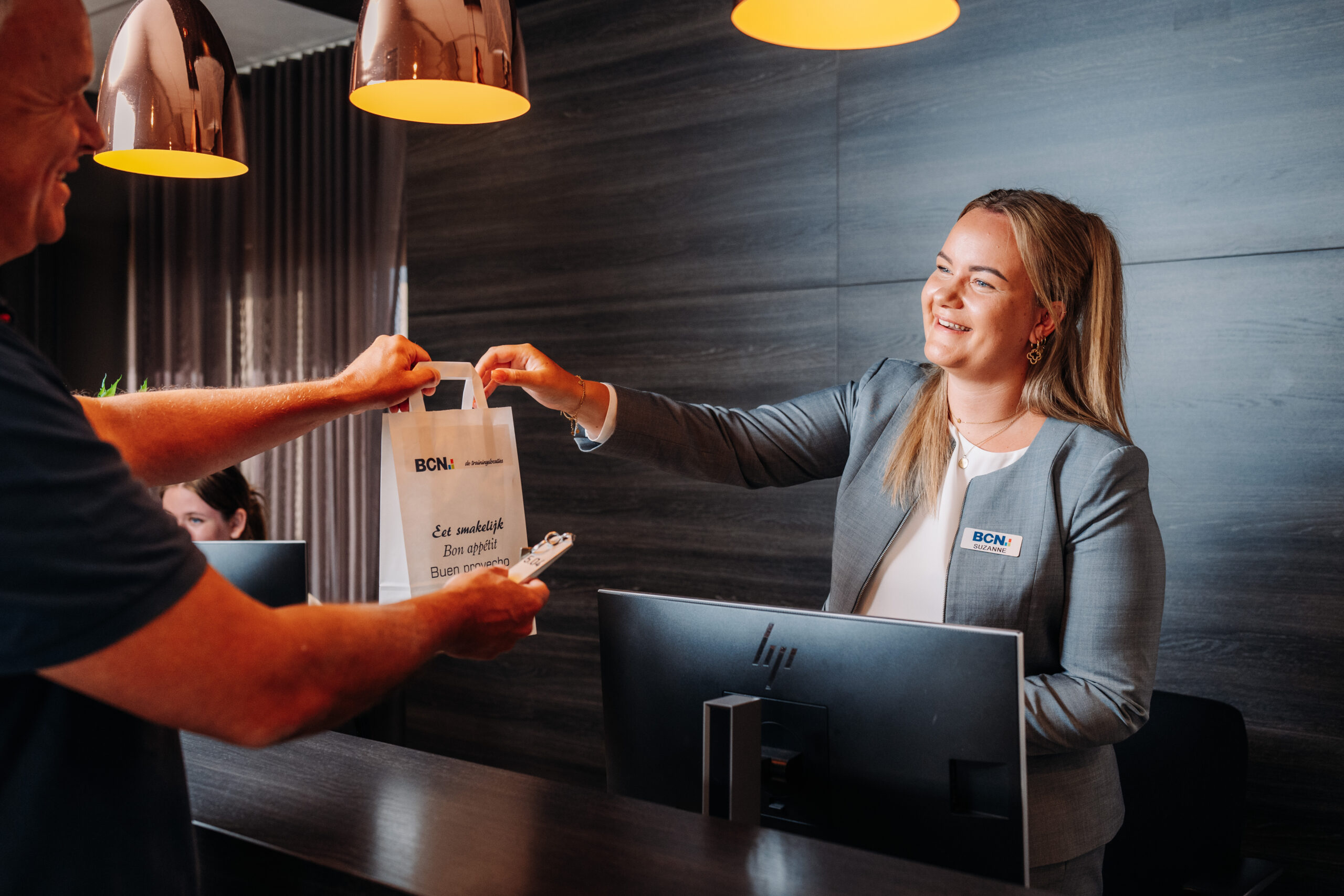
In Oneteam, all of that came together. One central place for communication, onboarding and HR, where employees read updates, find practical information and click through from the platform to other systems such as AFAS, Dyflexis and the learning environments.
The approach
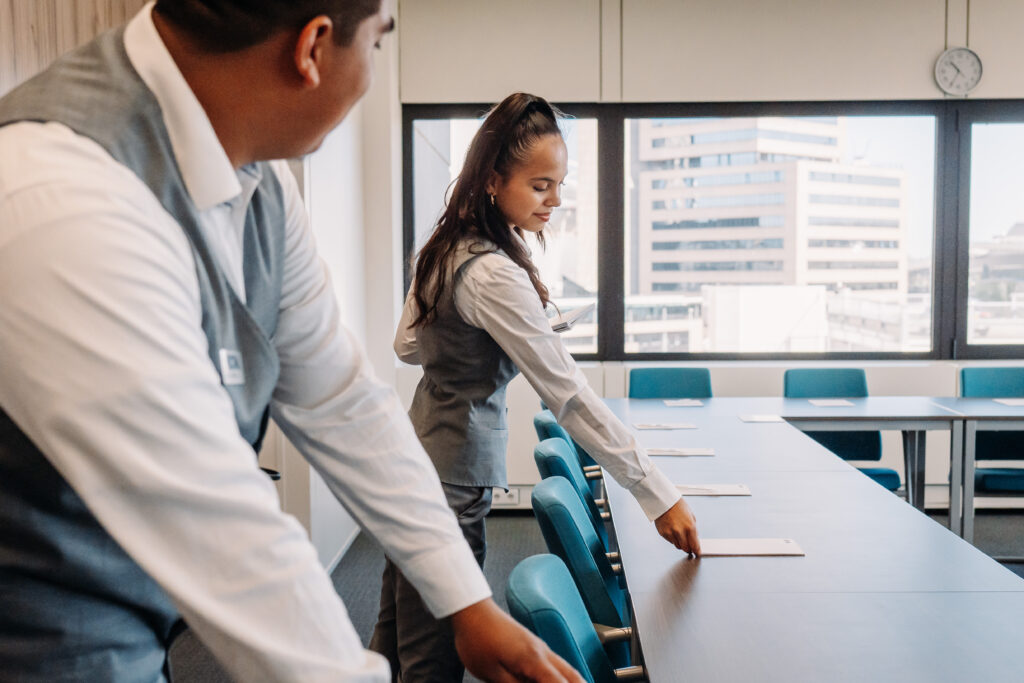
To make Oneteam truly fit the shop floor, BCN involved employees in the setup right from the start. A project group was put together with colleagues from different locations and roles, from kitchen and service to management.
Together they looked at what employees genuinely need in their day-to-day work. What information has to be in there, what are we missing now, and what should we not make too complicated?
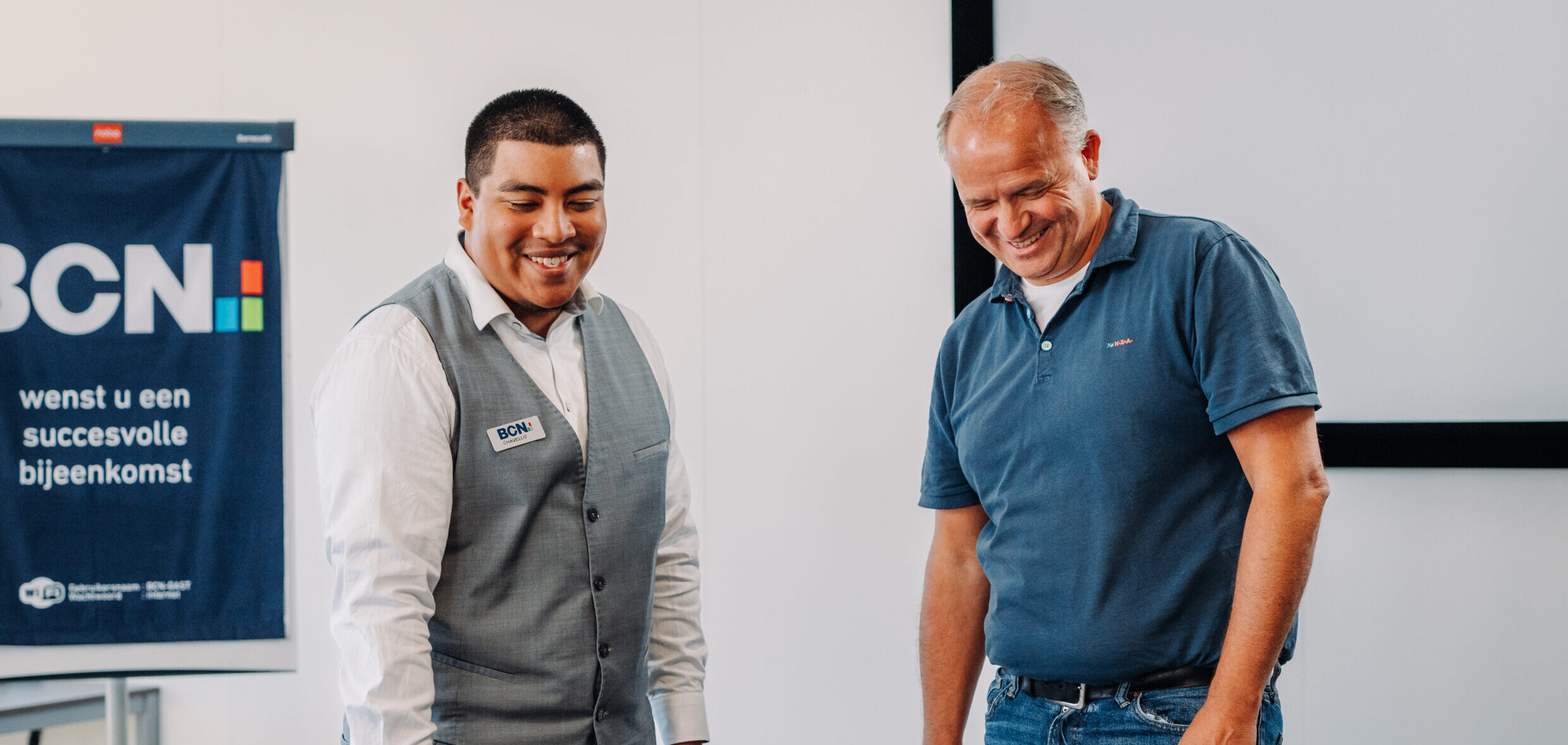
The launch was handled personally too. BCN went on a festive roadshow along the locations, in shifts so the operation could carry on. With explanations, room for questions and QR codes to download the app right away, the introduction was made visible and easy to approach.
"Just sending a message isn't enough," Jerry says. "Showing up in person works much better. People see what it is, can ask questions and feel involved straight away."
And the result speaks for itself. Where adoption started out at around 70 to 80 percent, 94 percent of employees are now connected.
The results
Oneteam now has a permanent place within BCN. The value lies not only in the app itself, but above all in what it makes possible on the floor, within HR and across the entire organisation.
News that lands, instead of disappearing into an intranet
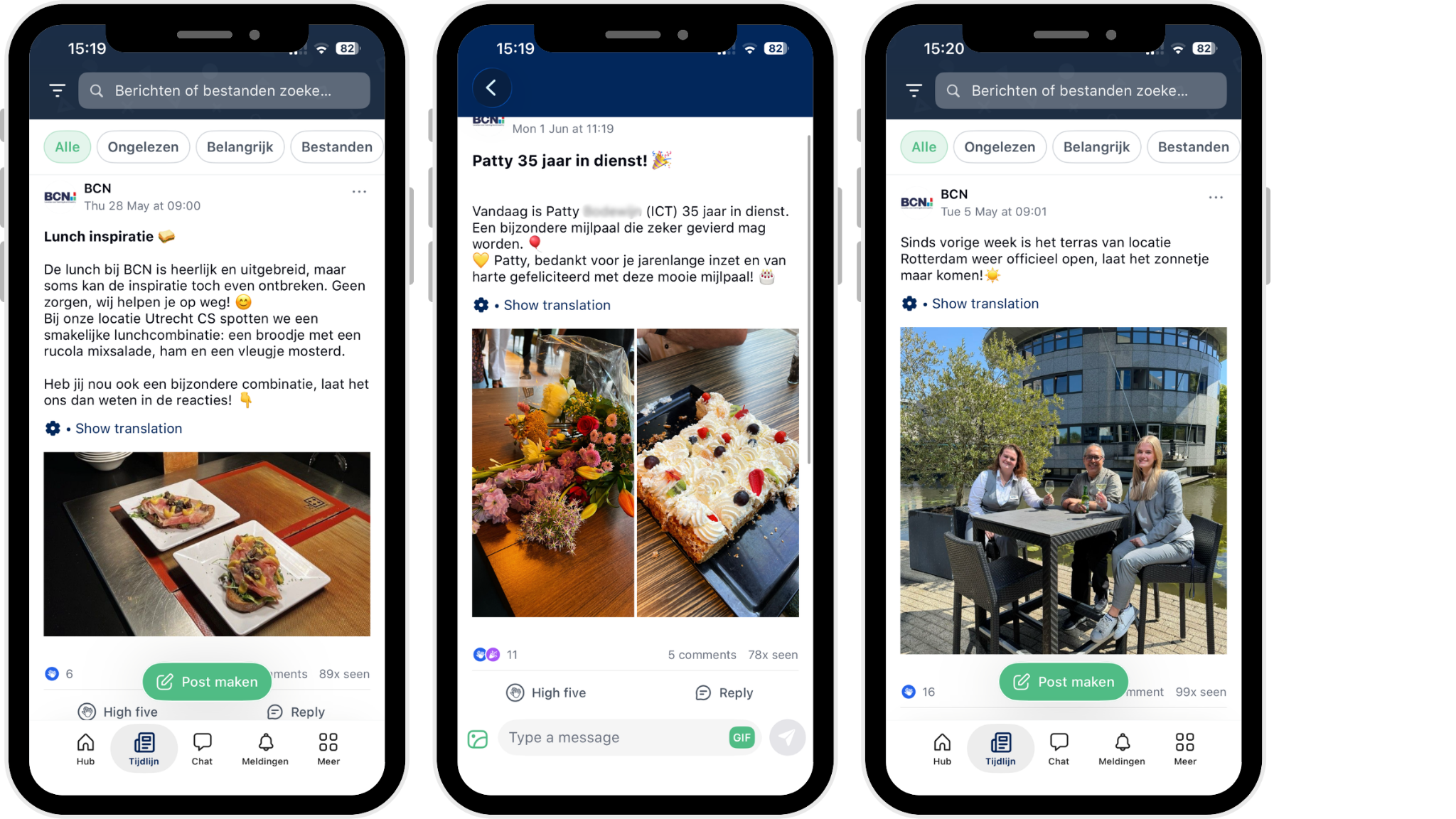
Updates now land straight on employees' phones, instead of disappearing into an intranet that felt too far away. BCN uses the timeline for practical matters like payroll dates and organisational updates, and just as much for the fun things happening at the locations: birthdays, work anniversaries, new colleagues and great moments from the day-to-day operation.
An important theme within BCN is the 'extra mile': the extra step employees take for a guest. Those moments now get a stage on the timeline too. "When someone does something special for a guest, we are now able to easily share that with the rest of the team," Jerry says. "Those are exactly the moments that show how we treat our guests."
That way, culture becomes something colleagues recognise, like and share with each other. Someone in Zwolle sees what's going on in Rotterdam or Amsterdam, and so the sense of one BCN grows while each location keeps its own character.
Scattered HR information finally came together in one place
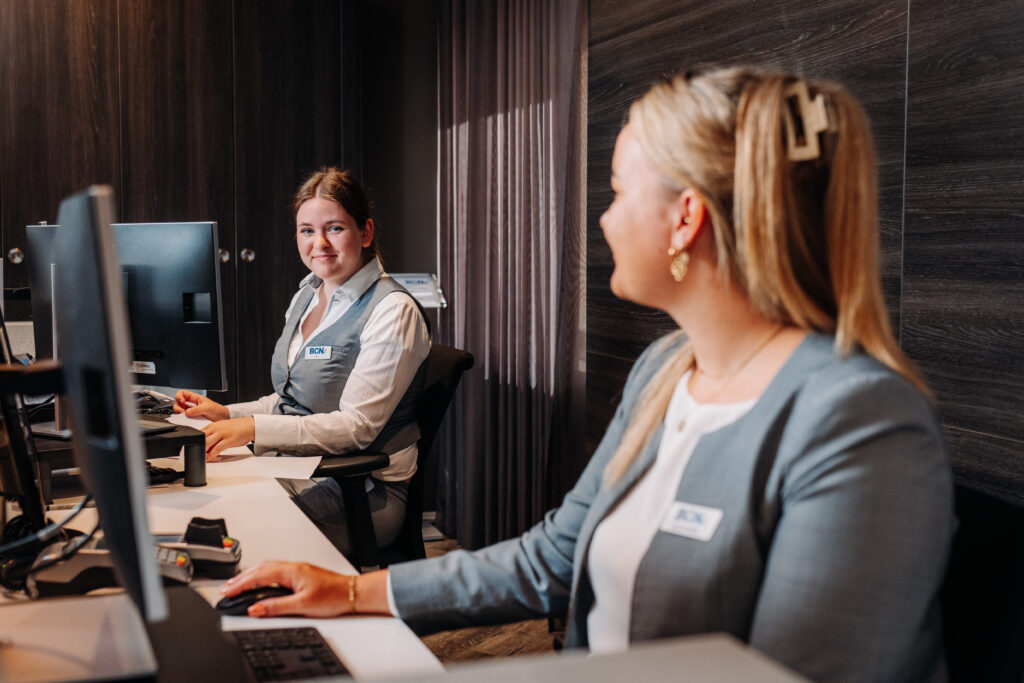
For HR, Oneteam mainly brings structure and one clear overview. Information that used to be scattered everywhere now comes together in one place.
New employees are automatically added to Oneteam through the integration with AFAS and Dyflexis, so the app is ready before someone even starts their first day.
"Employees also tell us they like having one portal," Jerry says. "They know where to go and can easily move to other systems from there."
For HR, that means above all more grip on the three moments that matter most: the start of a new colleague, the daily communication, and the conversations about development and growth.
The same warm start, whichever location you join
Where each location used to have its own approach, BCN is now working with one consistent welcome journey. New employees receive an introduction message from the management team and their direct manager before their first working day.
"It really makes you feel welcome," Jerry says. "And that's exactly what we want: for someone to feel from the very beginning that they're being thought of."
The next step is already in the making. BCN is translating all working methods and SOPs into short videos, for example about welcoming a guest or setting up a room. These replace the old three-day hospitality bootcamp, which took operational people away from their work for a long time and no longer matched daily practice.
With short videos and an easy-to-take test after twelve weeks, everyone at every location gets the same foundation, without colleagues having to explain everything from scratch each time.
From vague competencies to feedback teams can actually put to practice
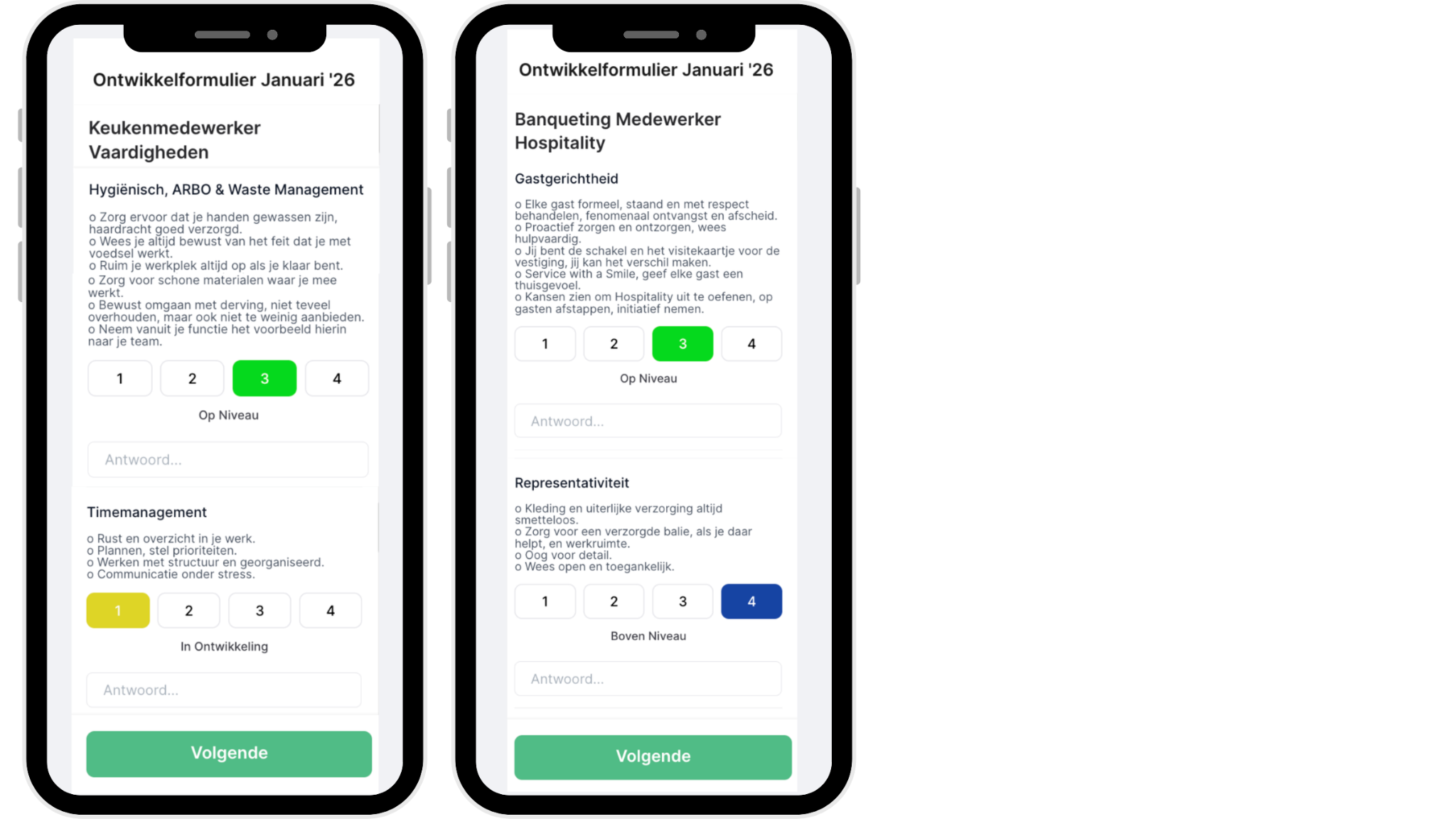
The biggest change is in performance management. Through Oneteam, BCN now works with four conversation moments a year, making development an ongoing conversation between manager and employee.
It's the concreteness in particular that makes the difference. Where the old system leaned on general competencies, BCN now works with 31 recognisable categories that connect to the work itself.
"For a banqueting employee, 'room setup' is literally in the form. That makes it much clearer," Jerry says. "For employees, it's now easy to see where things are going well and what they can work on."
Managers are happy with it too. Because each element is looked at separately, the conversation got more concrete and the feedback became less black and white.
"We can nuance things much better now," Jerry says. "Not just say 'you still need to grow', but also show where someone is already really strong."
For operational employees, that works really well: no abstract development language, but clear feedback that fits their work.
Keeping people longer in roles where most leave within a year
Communication, onboarding and development all come together at BCN with one goal: retaining the right people for a longer period of time. In a tight labour market that's no luxury, certainly not in roles like kitchen and banqueting, where employees stay for nine to ten months on average.
"It's such a domino effect," Jerry says. "Onboarding over and over again does something to your quality and to the pressure on colleagues who are already busy enough."
Jerry cautiously sees turnover going down. "It's still too early for a hard figure," he says. "But I do have the feeling that we're slowly seeing less turnover. And Oneteam definitely plays a part in that: everything that helps people land warmly, stay well informed and stay engaged contributes to it."
That's why BCN also wants to do more with surveys, linked to the conversation cycle, to ask more often what employees need. Questions like: what are you running into, what costs you energy, what gives you energy, and what could BCN do better?
"It's about employees feeling seen and heard," Jerry says. "If you organise that well, you also understand better what people need in order to stay."
Conclusion
For BCN, the greatest value of Oneteam lies in the way it brings employees closer to the organisation. "Oneteam helps us let employees land warmly, keep them well informed and engaged," Jerry says. "That matters to us, because we don't just want to reach people, we want to keep them longer too."
Especially in roles where turnover and workload play a big part, that makes a difference. When colleagues get clarity sooner, feel seen and have a better sense of what's going on, it brings more stability to the operation and more consistent quality for the guest.
The collaboration with Oneteam also fits well with how BCN likes to work itself: practical, fast and with room for ideas. "It's rare to find something we wanted that Oneteam didn't already have," Jerry says. "And when something wasn't there yet, they thought along with us, or it was added later on. That's why it really feels like a tailor-made BCN app to us."
Looking ahead, BCN sees plenty of room to keep building on Oneteam, with things like short learning videos, surveys, and more attention to what employees need to keep doing their jobs well.
"Oneteam helps us stay close to our people," Jerry concludes. "So that employees feel seen, have a real sense of what they're part of, and keep enjoying their work at BCN."


In diesem Artikel

.png)
.png)