
Meet Buddy, the first AI Buddy for the frontline workforce

Webinar
The Oneteam method: 7 building blocks for lower employee turnover and better performance Learn more
7 blocks for lower employee turnover
.svg)
.svg)
.svg)
.svg)
In this customer story, you will read how the five-star hotel Van Oys Maastricht Retreat decided to implement Oneteam even before opening its doors. From day one, the hotel wanted to make sure that all 160 employees would be connected, informed, and engaged.
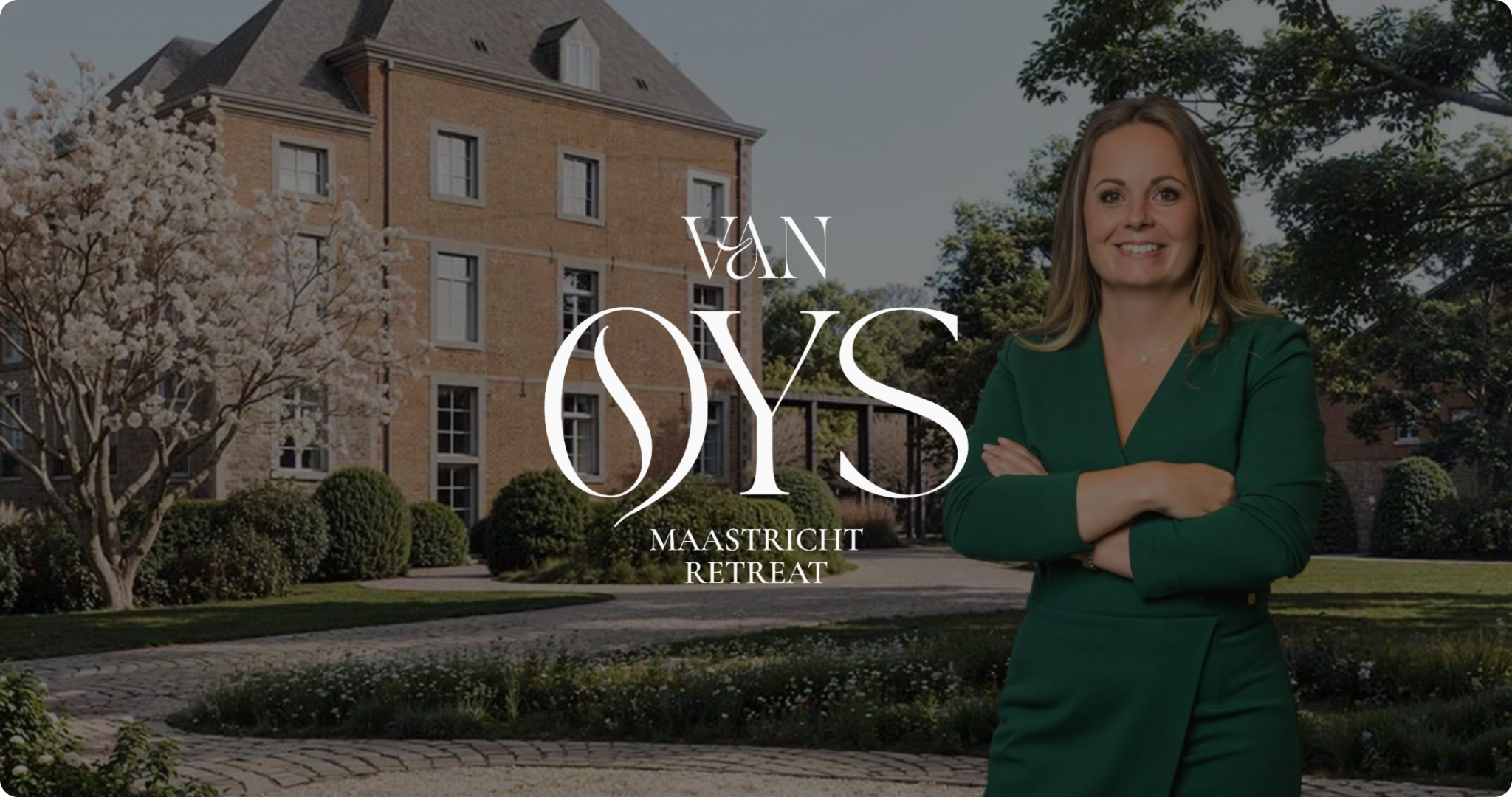
"With 94.5% of our team active on Oneteam, it's become the central place where all our communication comes together. Colleagues find their own answers now, without it always having to go through HR. That creates both clarity and connection."
– Simone Böhmer, HR & Culture Manager at Van Oys Maastricht Retreat
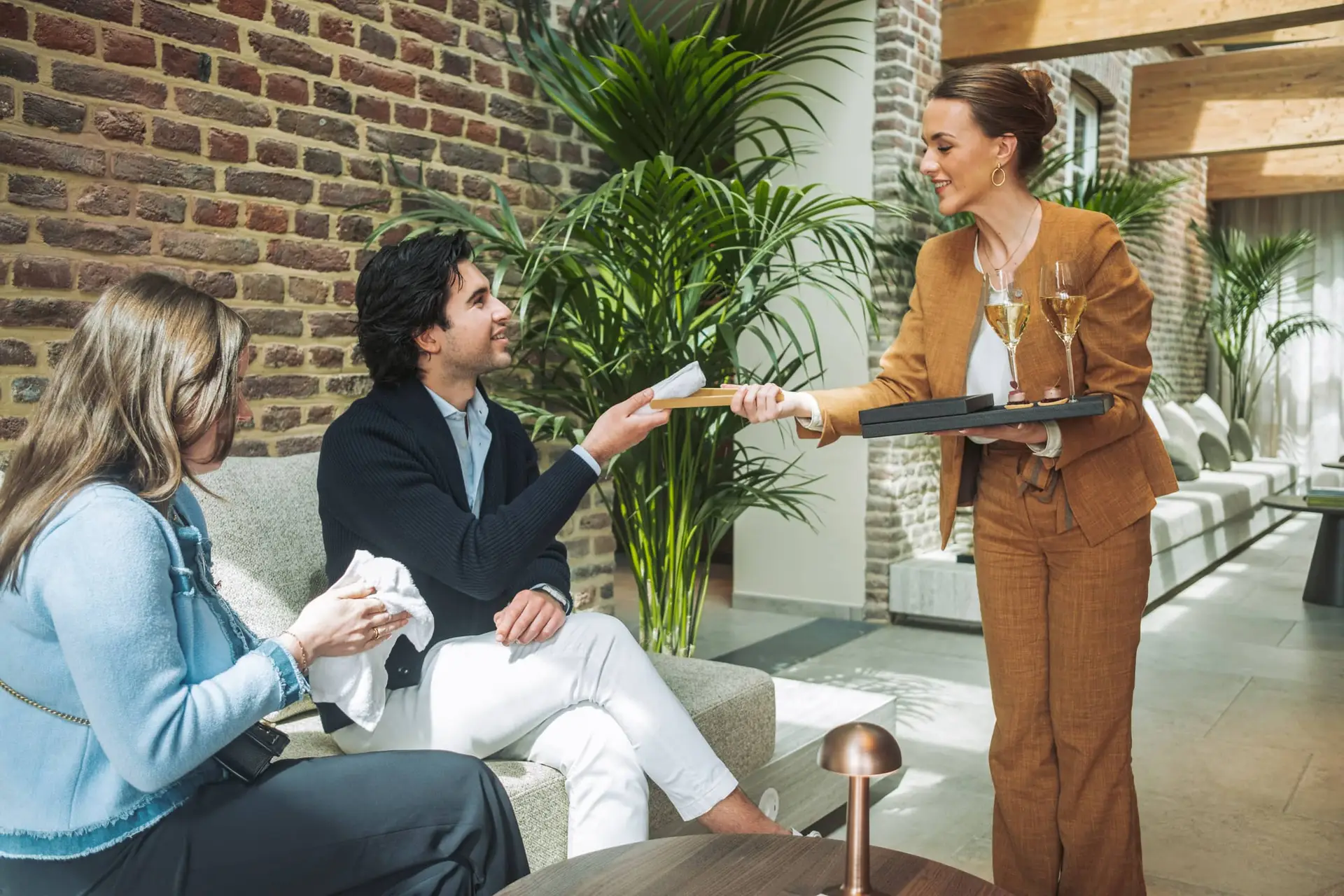
Van Oys Maastricht Retreat is a five-star superior hotel in the rolling hills of South Limburg. With 160 employees working across seven departments, the hotel is alive around the clock. Some colleagues start their day early in housekeeping, others work a late shift in the restaurant, and a few finish their night as porters welcoming guests in the early hours.
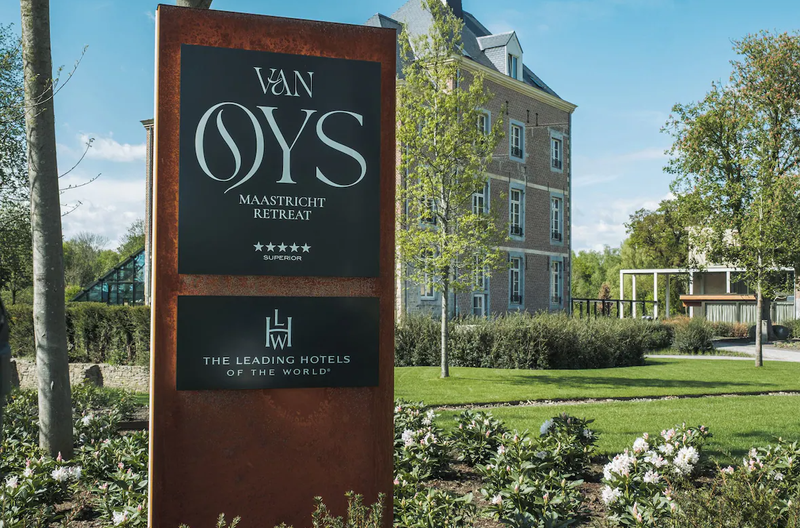
When Simone Böhmer joined as HR & Culture Manager in September 2024, the hotel was still in development. Teams were yet to be formed, departments had to be set up, and key systems needed to be selected. One of the first challenges was: how will we keep all of our colleagues connected once we open?
“In a hotel like this, you have so many different shifts and departments. One person might start at seven in the morning while another only comes in at eleven at night. Colleagues do not automatically see each other,” Simone explains. “That is why communication has to be well organized.”
The team quickly realized that they needed one central platform. They did not want scattered WhatsApp groups or endless email threads where information could easily get lost. Instead, they wanted a single, structured place for updates, documents, questions, and introductions. “We were simply looking for one place where everything comes together,” says Simone. “Somewhere people know they can always find what they need.”
Because Simone had already worked with Oneteam with a previous employer, she knew exactly what the platform could offer. She suggested it right away. “I had good experiences with it before, so I knew it would be the right fit for us,” she recalls.
Her colleague Bart only needed to look at the website before he was convinced. “This is exactly what we are looking for,” he said immediately. After an introductory call and a quick cost check, the choice was made.
What mattered most was finding a platform that was not only suitable for sharing updates, but also for storing documents, creating department-specific chat groups, and adding photos with ease. It also needed to integrate with their HR system, ensuring that the employee list stayed up to date automatically.
“With WhatsApp, you can easily forget to remove former colleagues from groups, which quickly becomes messy. That was something we wanted to avoid,” says Simone. “Thanks to the HR integration, the synchronization happens automatically. It saves time and keeps everything tidy.”

The implementation of Oneteam began at the start of 2025, well before the official opening of the hotel. This gave the team two months to set up the platform without pressure from day-to-day operations.
An HR intern coordinated the rollout, gathering documents, creating chat groups, and preparing updates. Meanwhile, department managers were still finalizing their procedures, menus, and onboarding materials, which could be added directly to Oneteam as soon as they were ready.
“We were still developing everything, and that actually worked out perfectly,” Simone explains. “The platform grew alongside the organization. Because everyone contributed, it felt like something we built together.”
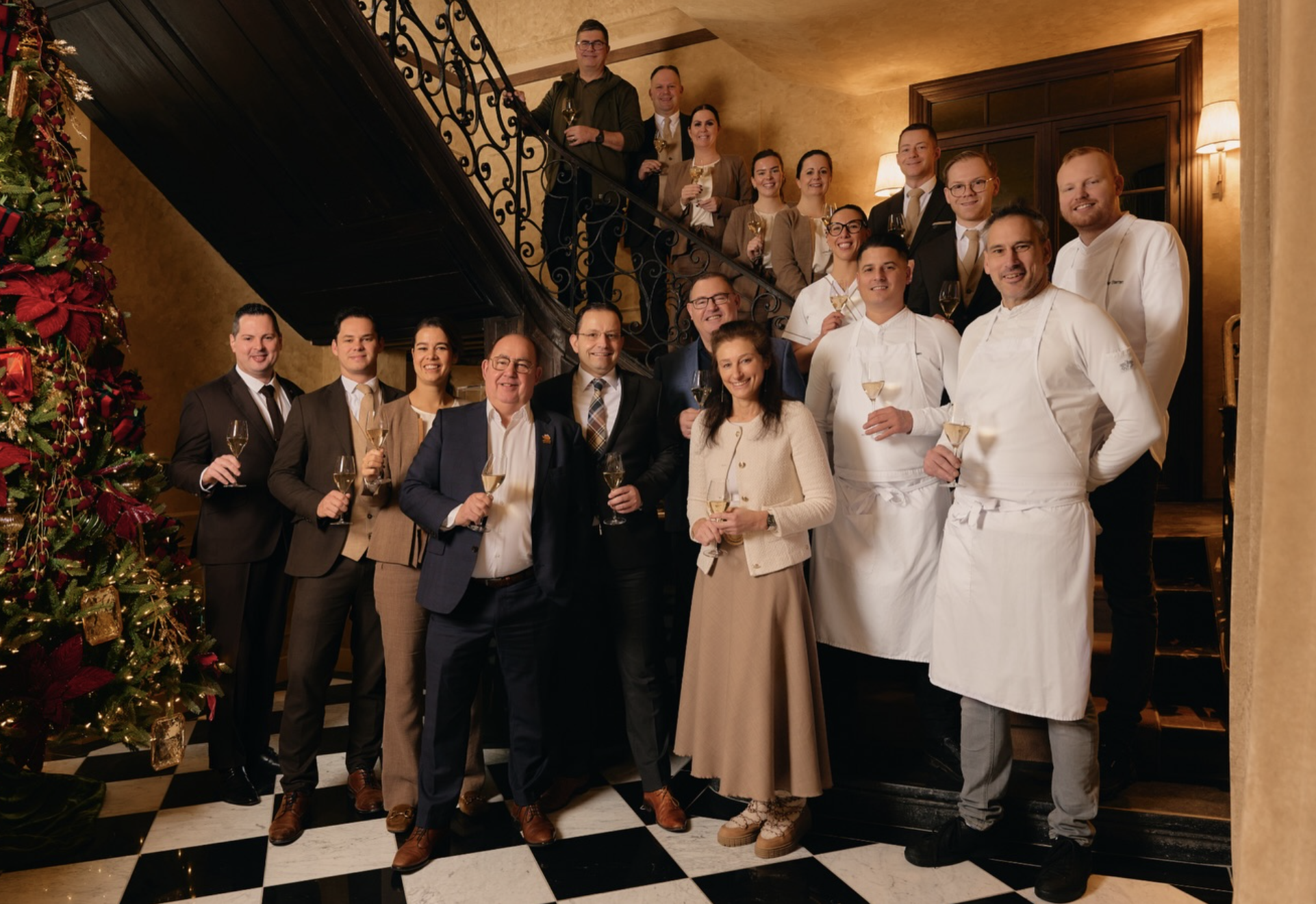
Since the opening, almost all communication has run through Oneteam. New colleagues introduce themselves on the timeline, updates and schedule changes are shared instantly, and staff dinners are now organized through the events feature.
"At the very beginning, we still used paper sign-up sheets," Simone laughs. "Since we switched that process to Oneteam, we can immediately see who has signed up. It's so much easier and clearer."
That overview doesn't just play a role behind the scenes, it's directly noticeable to guests too. Every day, Oneteam shows an update with that day's check-ins and check-outs, which groups are staying, which room a meeting is taking place in, and which VIP guests are expected.
"That way, colleagues can respond right away if a guest asks where their meeting is, whether a room is still available, or if there's a table free in the restaurant," Simone explains.
Van Oys uses the same approach to keep LQA standards front of mind, the quality guidelines set by Leading Hotels of the World that the hotel must meet. "We see that colleagues are more aware of the standards we need to uphold as a five-star hotel," Simone says.
That same accessibility shows up within the organization too. Questions about house rules or leave requests rarely land with HR or managers anymore, simply because colleagues can already find the answer in Oneteam.
That matters especially during evening and night shifts, when no one from HR or management is around. Van Oys is also building an extensive FAQ within the platform, to take even more pressure off HR and management.
What helps here is that colleagues decide for themselves when to open the app. No endless stream of notifications like with WhatsApp, just everything organized in one place, whenever it suits them.
Of the 162 employees who now have access to Oneteam, 130 are active, which comes down to an adoption rate of 94.5%, a number Simone and her team are proud of for an organization still very much in development.
"We have one main timeline for general updates and separate chats for each department. It works really well," Simone says. That keeps it clear what's relevant for everyone, and what applies specifically to one department.
There's also room for the fun and social side of work. Birthdays are celebrated on the timeline, which usually sparks spontaneous reactions. "Something that small makes it feel personal right away," Simone adds.
On top of that, short surveys go out automatically to check in with how colleagues are doing. "We're still growing, but Oneteam already feels like a natural part of our daily work," Simone says.
Retention has also turned out better than Van Oys expected. When the hotel opened, they anticipated turnover of around 50% in the first year, which is typical for a newly opened hotel.
At a recent staff party, it turned out that of the roughly 67 colleagues who started with the hotel, 40 are still on board. "We think this is because employees were well informed from the start, through onboarding and Oneteam, and because we try to do something every quarter to show them we appreciate them," Simone says.
For now, Oneteam is mainly used for sharing information, but there are plenty of plans to expand its use.
In the near future, Van Oys wants to use the platform for performance reviews and feedback conversations as well. "This way, managers can easily see which conversations still need to take place, without us having to send reminders," Simone says.
Although the hotel has only just opened, Oneteam already feels like an integral part of the organization.
"It is clear, easy to use, and fits perfectly with the kind of employer we want to be," Simone concludes. "Everything is in one place, and everyone knows where to go. It gives us peace of mind. And in such a dynamic environment, that is incredibly valuable."


.svg)
.svg)


.svg)

.svg)
.svg)

.jpg)
